





Some products sell themselves in a photo. A dress, a chair, a pair of trainers. Others don’t: a gearbox, a sensor, a medical device or a satellite component looks like a grey box from the outside, and the reason to buy it is hidden inside. 3D product animation solves that. It takes the product apart on screen, shows how it works and puts it back together in under a minute.
This guide explains what 3D product animation and exploded view videos are, why they matter for B2B and technical brands, where to use them and how a project runs.
What is 3D product animation?
3D product animation is a video of your product made entirely in 3D software rather than filmed with a camera. The product is modelled (usually from your CAD files), given realistic materials and light, and animated: rotating, opening, moving through its functions.
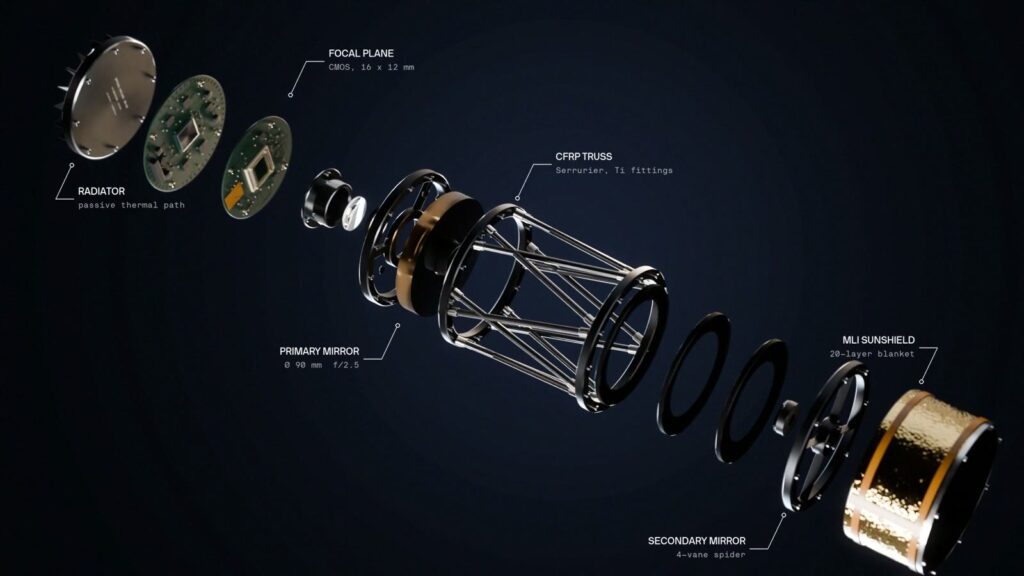
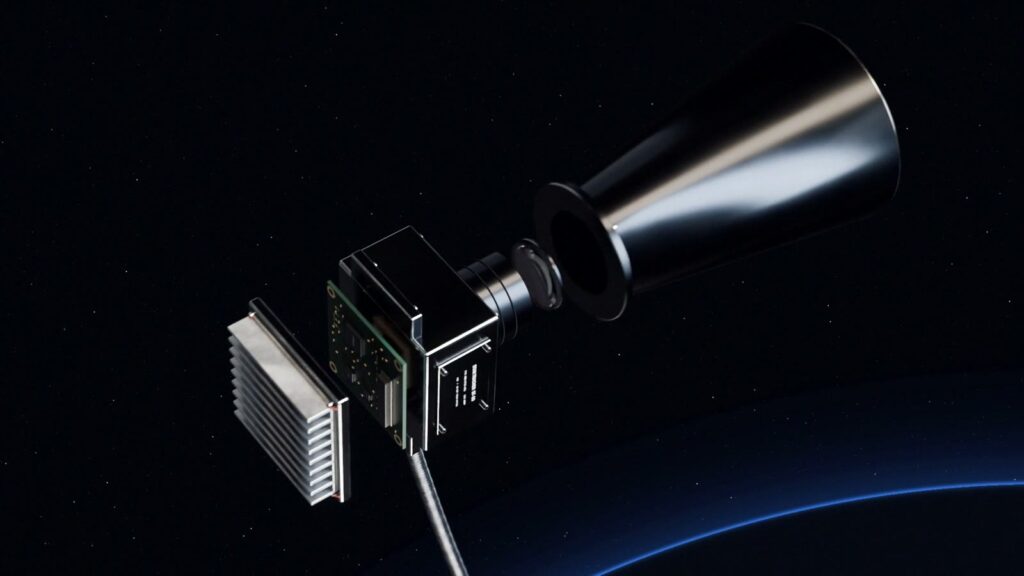
An exploded view animation is the most useful version for technical products. The product starts sealed, separates into its components along clean axes, labels each one, and then reassembles. It is the moving version of the exploded diagrams engineers have used in manuals for a century, and it is just as easy to understand.
Why it matters for business
It explains what a photo and a spec sheet can’t
Buyers of technical products rarely see the part that justifies the price. A photo shows the housing; a spec sheet lists numbers. An exploded view shows the motor, the bearings, the seals and the electronics in the order they fit together, so a buyer understands the engineering in seconds instead of reading two pages.
It shortens the sales conversation
Sales teams spend a lot of time explaining the same thing: what is inside, why it lasts longer, why it costs more. A 40-second animation does that explanation the same way every time, in every meeting, on every product page, and in markets where your team doesn’t speak the language.
You can sell before the product exists
Because the film is rendered, not filmed, it can be made from CAD before the first unit comes off the line. That makes it ideal for pre-launch campaigns, crowdfunding, investor decks and trade shows where the prototype isn’t ready or is too valuable to ship.
One asset, many uses
Once the 3D scene exists, it keeps paying back. The same model produces new camera angles, product variants, still renders for brochures and e-commerce, vertical cuts for social media and updated versions when the design changes. That is far cheaper than re-shooting a physical product every time.
It makes a small company look established
A clean, well-lit product animation sits comfortably next to the marketing of much larger competitors. For engineering firms and start-ups selling to big buyers, that first impression matters.
Where 3D product animation works best
Exploded view and 3D product videos suit any product whose value is hard to see from the outside:
- Industrial machinery and drives: gearboxes, motors, pumps, valves
- Electronics and lighting: LED fixtures, sensors, control units
- Medical and lab equipment: devices where the mechanism builds trust
- Aerospace and space hardware: star trackers, reaction wheels, optics
- Consumer tech with clever internals: headphones, power tools, appliances
And these are the places they earn their keep:
- Product pages and Amazon or B2B listings: a short loop above the fold
- Trade show screens: a silent loop that stops people at the stand
- Sales decks and investor pitches: one slide instead of five
- LinkedIn, Reels and Shorts: vertical 9:16 cuts of the same scene
- Training and support: showing technicians how a unit comes apart
What makes a good exploded view video
Not every 3D animation explains well. The ones that do share a few things:
- A clear order. Parts separate in the order they’re assembled, so the viewer follows the logic.
- Time for each part. Every important component gets a moment on screen, with a short label naming it and what it does.
- Real materials and light. Brushed aluminium, anodised coatings, glass and plastics that look like the real product, lit like a studio product shoot.
- Camera moves with a purpose. The camera guides the eye to the part being explained instead of spinning for effect.
- The right length. 20 to 60 seconds for marketing; longer, slower versions for training.
- A look that fits the brand. Colour, background and pace should feel like your company, not a template.
How a 3D product animation project works
- Brief. What the film needs to explain, who will watch it and where it will be used.
- Model. We import your CAD files (STEP, IGES or your CAD software’s native format) or build the model from drawings and photos.
- Look development. Materials, lighting and background are set up and approved on still frames before anything moves.
- Animation. The explode and assembly sequence, timing and camera moves, reviewed as a rough preview.
- Callouts and edit. Labels, lower thirds, music and sound, cut to the final length.
- Delivery. 16:9 for websites, YouTube and trade shows, 9:16 for social media, plus high-resolution stills.
3D product animation FAQ
How much does a 3D product animation cost?
It depends on the product and the film: how complete your CAD model is, how many parts move, the length and how many versions and formats you need. We give a fixed quote after a short call and a look at your files, so you know the full cost before work starts.
How long does it take?
From a few days to a few weeks, depending on the scale of the project. A short animation of one product from clean CAD files can be ready within days; a longer film with several products, custom materials and callouts takes a few weeks. We agree the timeline with you before we start.
What files do you need from us?
CAD files are ideal: STEP, IGES or the native format from your CAD software. If you don’t have CAD, we can build the model from technical drawings and photos.
Do you work with companies outside the UK?
Yes. We’re based in London and work remotely with manufacturers and tech brands in the US and Europe. Files, reviews and delivery all happen online.
Our 3D product animation work
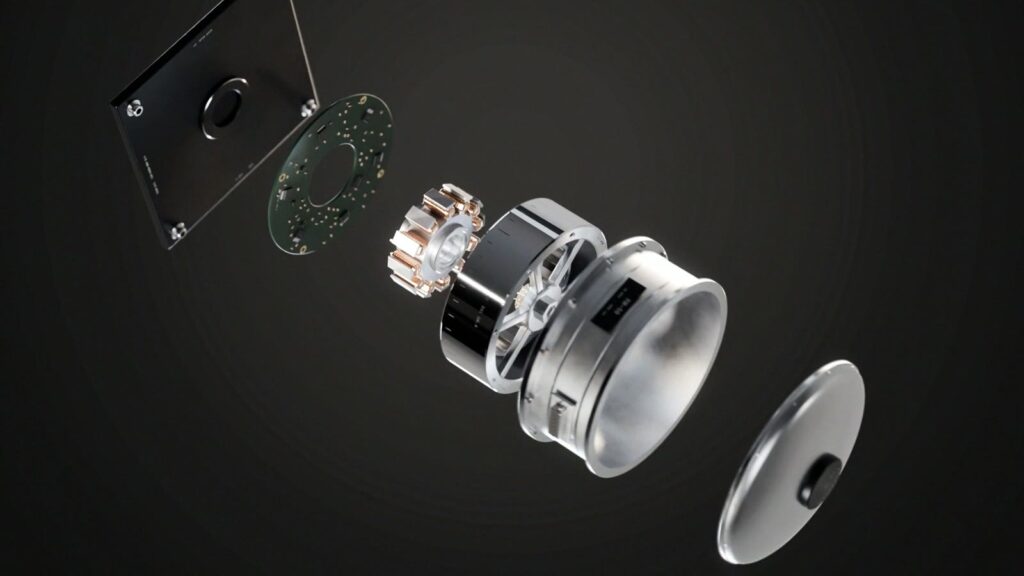
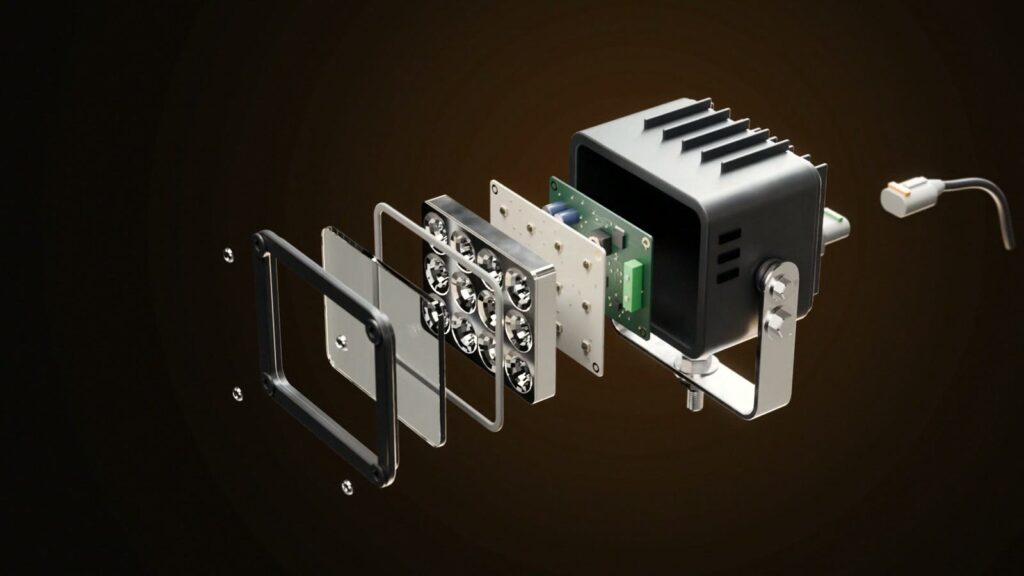
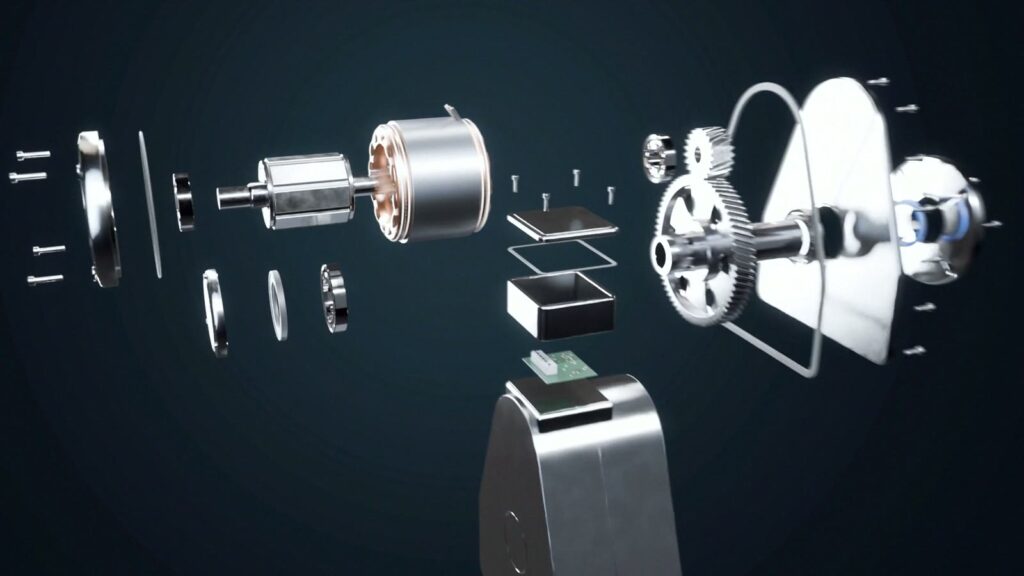
Everything on this page comes from our own showreel: five exploded view animations (a space telescope, a star tracker, a satellite reaction wheel, an industrial lamp and a geared motor), each with its own look, cut to one music track. The products are concept pieces made in our London studio to show the technique. You can see the full breakdown in the 3D product animation case study.
Onemarsmedia is a video production studio in London working with manufacturers and tech brands across the UK, US and Europe. Alongside filming and editing and post-production, we make motion graphics and 3D product animation from your CAD files.
If you have a product that’s hard to explain in a photo, book a free 15-minute call and we’ll tell you what a 3D animation of it could look like.
Related: See the 3D exploded view case study, our motion graphics and 3D animation service, or the guide to corporate video production in London.

